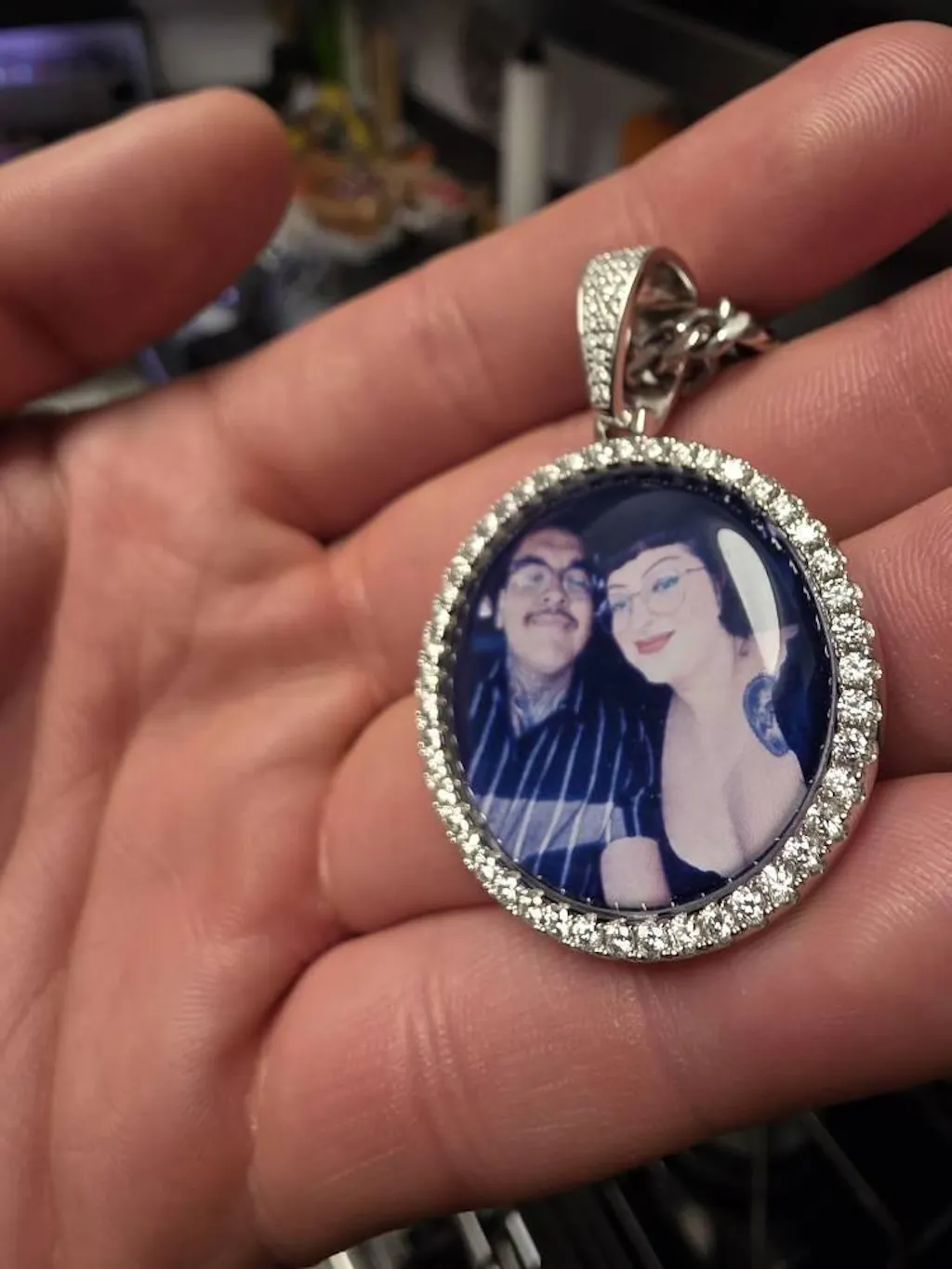
Can You Shower with Gold Jewelry? - The Do's and Don'ts

Can You Shower with Gold Jewelry? - The Do's and Don'ts

Gold jewelry has been loved for centuries. From ancient royalty to modern fashion lovers, gold has always been a symbol of beauty and value.

Many people wear their favorite gold rings, necklaces, bracelets, and earrings every single day. This often leads to one common question.

Can you shower with gold jewelry?

The short answer is yes, but there is more you should know. Water alone is not always the problem.

Soap, shampoo, hard water, and daily exposure can slowly affect the shine and strength of your gold pieces.

Understanding how gold reacts in the shower can help you protect your investment and keep it looking beautiful for years.

Let’s take a look at the dos and don’ts of showering with gold jewelry.

Understanding Different Kinds of Gold Jewelry

Before talking about showers, it helps to understand what gold jewelry really is.

Pure gold, also known as 24K gold, is soft. Because it bends easily, it is often mixed with other metals to make it stronger.

These mixtures create 10K, 14K, and 18K gold. The number tells you how much pure gold is inside.

  • 24K gold is almost pure gold.
  • 18K gold contains 75 percent gold.
  • 14K gold contains about 58 percent gold.
  • 10K gold contains around 41 percent gold.

The rest is made up of metals like copper, silver, nickel, or zinc. These added metals help make the jewelry more durable.

They also affect how your jewelry reacts to water and soap.

For example, 14K gold jewelry is more durable than 18K gold because it has more mixed metals.

However, those extra metals can react with chemicals over time.

Can You Shower with Gold Jewelry?

Can You Shower with Gold Jewelry?

Yes, you can shower with solid gold jewelry, especially if it is 14K or 18K gold.

Gold does not rust and does not tarnish like silver. It is resistant to water damage.

However, regular showering can still cause problems over time.

Soap can leave a thin film on your jewelry. This film makes your gold look dull. Hard water can leave mineral deposits.

Shampoo and body wash often contain chemicals that slowly wear down the surface.

If your jewelry is gold-plated, the situation is different. Gold-plated jewelry has only a thin layer of gold over another metal. 

Showering can cause the gold layer to fade faster. Over time, the base metal may start to show.

So while a quick shower will not destroy solid gold, making it a daily habit is not the best idea.

Read our full guide on; does gold rust.

The Do’s of Showering with Gold Jewelry

Here are some proper ways of showering with gold jewelry.  

Showering with Gold Jewelry

1. Know What Type of Gold You Own

Check if your jewelry is solid gold or gold-plated. Look for stamps like 10K, 14K, or 18K.

Solid gold can handle water better than plated pieces.

If you own gold vermeil or gold-filled jewelry, be extra careful.

These types have thicker gold layers than plating, but they can still wear down with constant exposure to moisture.

2. Rinse Thoroughly

If you forget to remove your gold necklace or ring before showering, rinse it well with clean water. This helps remove soap residue.

Soap buildup is one of the biggest reasons gold jewelry loses its shine. A proper rinse reduces this risk.

3. Dry Your Jewelry Completely

After showering, gently pat your jewelry dry with a soft cloth. Do not let it air dry while still on your skin.

Trapped moisture can affect the mixed metals in 10K or 14K gold over time.

A microfiber cloth works very well for drying and polishing.

4. Clean It Regularly

Even if you rarely shower with your jewelry, regular cleaning keeps it bright. Soak your gold jewelry in warm water with a few drops of mild dish soap.

Use a soft toothbrush to clean small details. Rinse and dry fully.

This simple routine removes dirt, oil, and product buildup.

The Don’ts of Showering with Gold Jewelry

Here are some things not do while showering wearing gold jewelry.

1. Do Not Shower with Gold Plated Jewelry

Gold-plated jewelry fades faster in water. Daily exposure to soap and shampoo weakens the thin gold layer.

The color may start to change. The base metal may show through.

If you want your plated pieces to last, remove them before bathing.

2. Avoid Harsh Soaps and Shampoos

Some body washes contain strong chemicals. These can react with the metals mixed into your gold.

Over time, this may cause slight discoloration.

Chlorine is especially harmful. Swimming in a chlorinated pool while wearing gold jewelry can weaken its structure.

Chlorine can slowly break down the alloy metals, making your jewelry more fragile.

3. Do Not Wear Gold Jewelry in Hot Tubs

Hot tubs often contain higher chlorine levels than pools. Heat also increases chemical reactions.

This combination can damage gold jewelry faster than a normal shower.

Removing your jewelry before entering a hot tub is always safer.

4. Do Not Ignore Dullness

If your gold ring or bracelet starts looking dull, do not ignore it. Dullness usually means buildup is forming on the surface.

Cleaning it early prevents long-term damage.

How Water Affects Different Gold Types

How Water Affects Different Gold Types

All types of gold karats react with water differently because of the presence of metals.

Here’s a breakdown of how water affects different types of gold.

24K Gold

Pure gold does not tarnish. It handles water very well. However, it is soft.

Frequent exposure combined with friction from washing can cause scratches.

18K Gold

18K gold has high gold content. It resists tarnish but can still collect soap residue.

It is slightly softer than 14K gold, so take care during cleaning.

14K Gold

14K gold jewelry is strong and popular for everyday wear. It handles daily life well.

Still, the alloy metals inside can react slowly to chemicals.

White Gold

White gold is mixed with white metals and often coated with rhodium for shine.

Showering can slowly wear down the rhodium layer.

You may notice a slight yellow tone after a long time. Replating restores the bright white finish.

Rose Gold

Rose gold contains copper. Copper can darken slightly over time when exposed to moisture and air.

Regular cleaning keeps rose gold looking warm and bright.

Can You Shower with Gold Diamond Rings?

Many gold rings include diamonds or other gemstones. Water itself does not harm diamonds.

However, soap buildup can make diamonds look cloudy.

Soap and conditioner can stick behind the stone.

This reduces sparkle. Regular cleaning is important for engagement rings and wedding bands.

If your gold jewelry includes softer gemstones like opal or pearl, remove it before showering.

These stones are sensitive to moisture and chemicals.

Long Term Effects of Showering with Gold Jewelry

Occasional showers with solid gold jewelry will not cause major damage. The real issue comes from repeated daily exposure.

Over months or years, you may notice:

  • Loss of shine
  • Minor scratches
  • Slight discoloration in alloy metals
  • Looser gemstone settings due to chemical exposure

Preventive care keeps your jewelry looking new. Removing it before showering takes only a few seconds and can extend its life.

Professional Cleaning and Maintenance

Professional Cleaning and Maintenance

Visiting a professional jeweler once or twice a year is a smart move. Jewelers can inspect your gold jewelry for loose stones and worn prongs.

They can polish and deep clean your pieces safely.

If you own high-value items such as a gold engagement ring, professional care is especially important.

Rhodium plating for white gold may need refreshing every few years. A jeweler can reapply this protective layer.

Simple Daily Jewelry Care Tips

Good habits make a big difference. Put your gold jewelry on after applying lotion, perfume, or hairspray.

Chemicals in beauty products can affect the surface.

Store gold pieces in a soft pouch or a lined jewelry box. Keeping items separate prevents scratches.

Remove rings before heavy cleaning or using strong household chemicals. Bleach is very harmful to gold alloys.

These small steps protect both the beauty and value of your jewelry.

Is It Ever Completely Safe?

Solid gold is durable. A quick rinse under clean water is harmless. Problems usually come from chemical exposure, not water itself.

If you shower with mild soap and rinse well, your gold jewelry will likely be fine. Still, removing it is always the safest option.

Think of gold jewelry as an investment. The less exposure to chemicals and friction, the longer it keeps its shine.

FAQs

Does gold rust in water?

No. Gold does not rust. Rust forms on iron and steel. Gold is a non-reactive metal.

Can water make gold tarnish?

Pure gold does not tarnish. Lower karat gold can experience slight dullness due to alloy metals reacting with chemicals.

How often should I clean my gold jewelry?

Cleaning once every few weeks is good for daily wear pieces. Deep professional cleaning once a year keeps it in top condition.

Is it okay to wash hands with gold rings on?

Yes, but dry them properly. Soap residue from frequent handwashing can cause buildup.

Regular cleaning helps maintain shine.

Final Thoughts

Gold jewelry is strong, beautiful, and made to last. Solid 14K gold and 18K gold can handle occasional exposure to water without serious damage.

The real concern comes from soap, shampoo, chlorine, and daily buildup.

Removing your gold rings, necklaces, and bracelets before showering is the safest choice.

This simple habit protects shine, strength, and sparkle.

Taking care of your gold jewelry does not require complicated steps. Gentle cleaning, proper storage, and limiting chemical exposure go a long way.

With the right care, your favorite gold pieces can stay bright and stunning for many years to come.

Back to blog