


Moissanite has gained massive attention in the fine jewelry market because of its diamond like beauty and impressive durability. Many buyers are drawn to its intense sparkle, clean appearance, and ethical origin. However, one question often surprises first time shoppers. Why is moissanite so expensive?
Moissanite is not just a lab created stone made for affordability. It is a scientifically engineered gemstone that requires advanced technology, time, and skilled craftsmanship.
Its brilliance often exceeds that of natural diamonds, and its hardness makes it suitable for everyday wear. As demand for sustainable and conflict free jewelry grows, moissanite has positioned itself as a premium choice rather than a budget option.
Understanding moissanite pricing helps buyers make informed decisions, especially when comparing it to natural diamonds. Knowing its value, production process, and long term benefits reveals why moissanite deserves its place in the luxury jewelry market.
3 Key Takeaways
- Moissanite is expensive because it requires complex lab production, advanced research, and precise cutting.
- High quality moissanite rivals diamonds in brilliance, durability, and appearance.
- Certified moissanite holds value as a luxury gemstone and is a smart ethical alternative to diamonds.
What is Moissanite
Moissanite is a gemstone made from silicon carbide. It was first discovered in 1893 by scientist Henri Moissan in a meteor crater. Natural moissanite is extremely rare, so almost all moissanite used in jewelry today is lab created.
Lab created moissanite is not fake or glass. It is a real gemstone with a unique crystal structure. It has exceptional brilliance, strong fire, and high durability. Moissanite ranks 9.25 on the Mohs hardness scale, making it one of the hardest gemstones used in fine jewelry.
Because of its diamond like appearance, moissanite is widely used in engagement rings, wedding bands, earrings, necklaces, and fashion jewelry.
Why is Moissanite So Expensive

Many people assume lab created gemstones should be very cheap. Moissanite challenges this idea. Its price reflects quality, science, and craftsmanship rather than rarity alone.
Below are the main reasons why moissanite is expensive.
1. Complex Production Process
Creating moissanite is not simple. Silicon carbide crystals cannot be grown quickly or easily. The process requires extreme heat, pressure, and time.
Each crystal takes weeks or months to form in a controlled lab environment. Even small changes in temperature can affect clarity and color. Many crystals crack or become unusable during growth. This increases production cost.
After the crystal is grown, it must be carefully cut and polished. Moissanite is very hard, which makes cutting more difficult than many gemstones. Only skilled gem cutters can shape it correctly to maximize brilliance.
This complex process directly affects the final price of moissanite.
2. Research and Development Investments
High quality moissanite did not exist overnight. Years of research and development were needed to perfect its color, clarity, and structure.
Early moissanite stones had yellow or green tones. Modern moissanite is colorless or near colorless because of advanced scientific improvements. These innovations require expensive equipment, expert scientists, and ongoing testing.
Brands that produce premium moissanite invest heavily in technology to ensure consistency and quality. These research costs are reflected in the gemstone price.
3. Ethical Lab Creation
Moissanite is created in labs under ethical and controlled conditions. There is no mining, no child labor, and no environmental destruction involved.
Ethical sourcing matters to modern buyers. Sustainable gemstone production costs more than mass extraction methods. Labs must meet safety standards, energy requirements, and quality controls.
Moissanite offers peace of mind along with beauty. This ethical value adds to its overall worth and price.
Quality Grading and Its Effect on Moissanite Price

Just like diamonds, moissanite is graded based on quality factors. Higher grades mean higher prices.
Clarity Grading
Clarity refers to internal inclusions or surface flaws. High quality moissanite is usually eye clean, meaning no visible inclusions.
Stones with fewer inclusions require more time and precision to grow and select. This increases their cost. Premium moissanite typically ranges from VVS to VS clarity.
Color Grading
Moissanite color grading ranges from colorless to faint tinted stones. Colorless moissanite is the most expensive.
Achieving true colorless moissanite requires advanced lab techniques. Lower color grades cost less but may show slight yellow or gray tones.
Cut Shape
Cut quality affects sparkle and brilliance. Popular shapes like round, oval, emerald, cushion, and radiant require expert cutting.
Round brilliant moissanite is often the most expensive because it wastes more rough material and demands perfect symmetry. Poor cuts reduce sparkle and value.
Moissanite vs Natural Diamonds: Which is More Expensive

Natural diamonds are more expensive than moissanite in most cases. The price of a diamond is influenced by mining costs, rarity, global supply chains, and long standing market demand. Diamonds take billions of years to form naturally, and extracting them requires extensive labor and environmental disruption.
Moissanite, on the other hand, is created in laboratories using controlled conditions. This removes mining expenses but does not eliminate cost. High quality moissanite still requires weeks of crystal growth, precise temperature control, and expert cutting. These steps add to its price.
While diamonds often cost several times more than moissanite of similar size, moissanite offers comparable visual appeal. In some lighting conditions, moissanite even appears more brilliant due to its higher refractive index. This makes moissanite a strong alternative for buyers who want luxury aesthetics without paying diamond level prices.
In terms of value for money, moissanite delivers exceptional size, sparkle, and durability at a fraction of the cost of natural diamonds. This price difference is a major reason moissanite continues to grow in popularity.
Moissanite Prices vs Diamond Prices
Below is a simple comparison of average prices. Prices may vary by quality and brand.
|
Carat |
Size (mm) |
Diamond Price |
Moissanite Price |
|
0.5 ct |
5.0 mm |
$1,200 |
$250 |
|
1.0 ct |
6.5 mm |
$5,000 |
$600 |
|
1.5 ct |
7.5 mm |
$9,000 |
$900 |
|
2.0 ct |
8.2 mm |
$14,000 |
$1,200 |
|
3.0 ct |
9.5 mm |
$25,000 |
$1,800 |
Is Moissanite Worth Anything
Moissanite has real value and is far from a worthless gemstone. It is a durable, high quality stone that holds its beauty over time. With a hardness rating of 9.25 on the Mohs scale, moissanite resists scratches and daily wear better than most gemstones.
Certified moissanite retains market value, especially when it is well cut, colorless, and free from visible inclusions. While it does not function as a traditional investment like rare natural diamonds, it maintains resale worth in the secondary jewelry market.
Moissanite is also valuable because of its ethical appeal. Buyers are increasingly willing to pay for gemstones that are conflict free and environmentally responsible. This growing demand strengthens moissanite’s position as a legitimate luxury gemstone.
For people focused on long term wear, beauty, and ethical sourcing, moissanite offers excellent value. It provides lasting brilliance, strong durability, and modern appeal without the excessive cost associated with mined diamonds.
Where to Buy Original High Quality Pure Moissanite Jewelry
Buying authentic moissanite is important. Low quality stones and fake simulants exist in the market. At The Paradise Gems, we offer high quality GRA certified moissanite gemstones crafted into premium jewelry. Our collection includes:
- Moissanite engagement rings
- Moissanite wedding rings
- Everyday moissanite jewelry
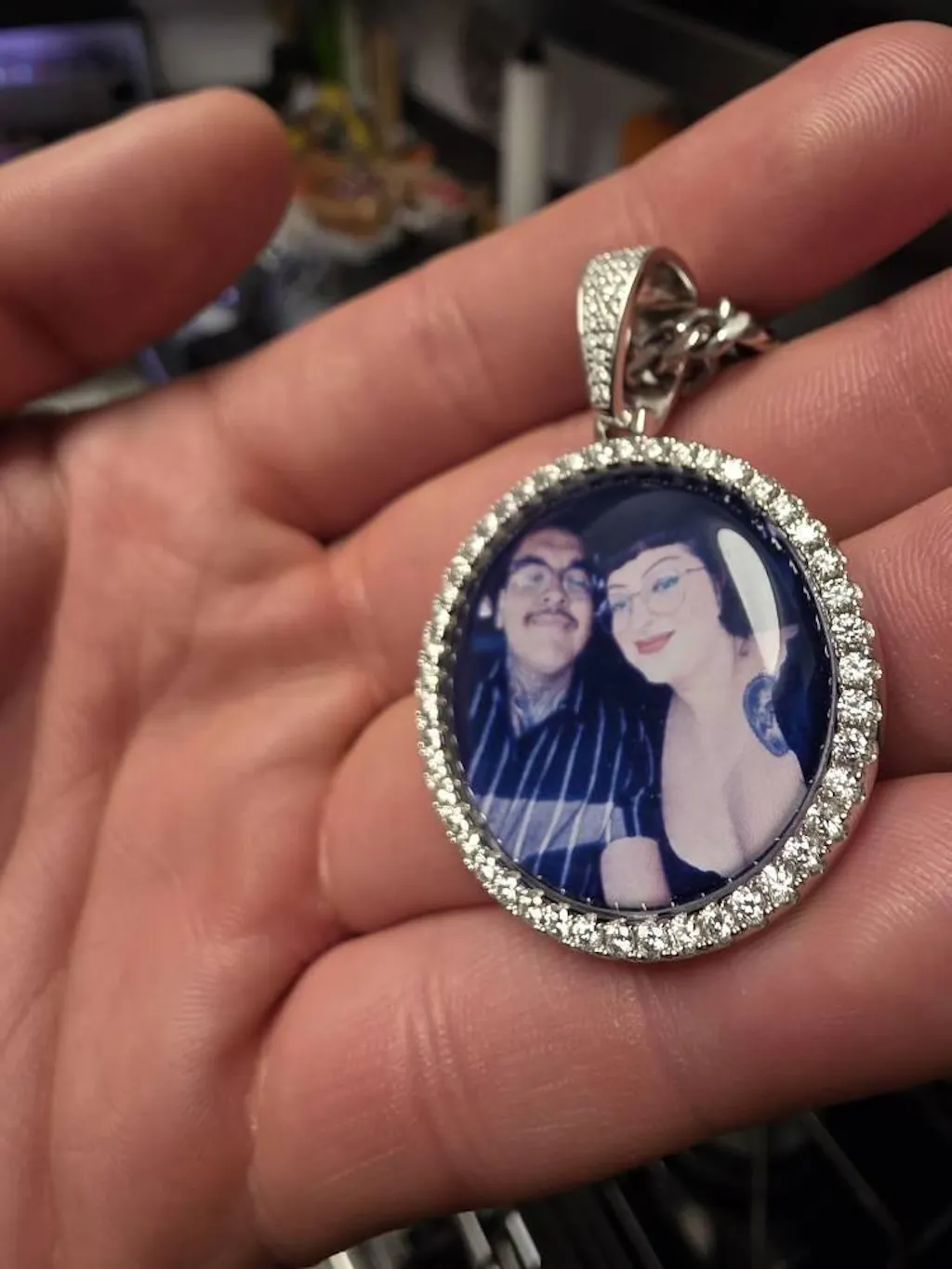
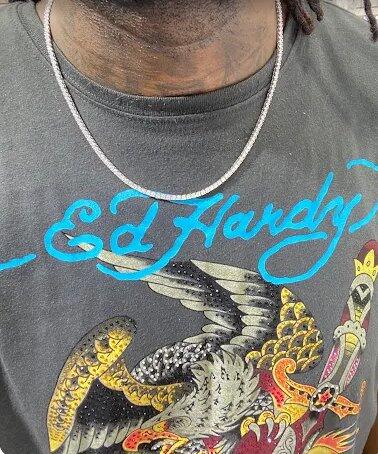
- Hip hop fashion chains and custom designs
Each piece is made with carefully selected stones that meet strict standards for clarity, color, and cut. GRA certification ensures authenticity and quality assurance.
The Paradise Gems focuses on craftsmanship, ethical sourcing, and customer satisfaction.
FAQs
Is Moissanite valuable?
Yes, Moissanite is considered highly valueable for its durability, and brilliance. While it has a lower resale value as compared to a diamond, it provides excellent value for money.
Is Moissanite a fake diamond?
No Moissanite is not a fake diamond, rather a lab-grown ethical diamond alternative. With similar brilliance like a natural diamond, Moissanite is different in composition as well.
Is Moissanite considered luxury?
Moissanite is considered affordable luxury. It offers the same brilliance of a natural diamond, but cost 10%-15% of the price of diamond.
Which is better, zirconia or Moissanite?
Moissanite is better than cubic zirconia in terms of brilliance and durability. Zirconia, on the other hand, offers more diamond-like appearance at a much lower cost.
Can I resell my Moissanite?
Yes, Moissanite can be resold for a fair price. There are various factors that might effect its resale value, such as cut, clearity grade, color, and certification.
Conclusion
Moissanite is expensive for good reasons. Its advanced lab creation, scientific innovation, ethical sourcing, and premium quality all contribute to its price.
It is not a cheap diamond substitute. It is a gemstone with its own identity, beauty, and value. Moissanite offers exceptional brilliance, long term durability, and ethical peace of mind.
For anyone seeking luxury jewelry without the extreme cost of diamonds, moissanite is a smart and stylish choice. You can buy authentic Moissanite jewelery at The Paradise Gems.
Leave a comment